
Tom GaitleyDivemaster Instructor
- Highest Dive Rating Held: Divemaster Instructor
- Affiliations:


Tom Gaitley's Gallery:

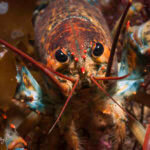
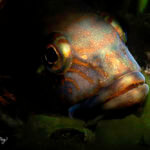
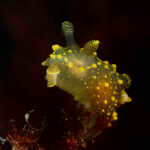
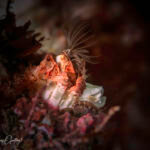
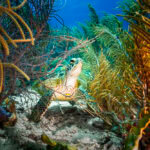
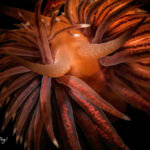

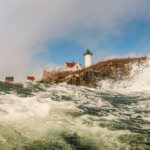


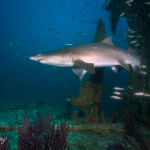
Background:
Tom’s relationship with the underwater world started young—in true 1980s fashion—with a garden hose, an airbrush compressor, and a backyard pool in Michigan. Somehow surviving that first DIY “dive,” he went on to get formally certified in 1985, and became an instructor with East Coast Divers just a few years later, in 1989. Since then, Tom has trained generations of divers, explored countless cold-water sites, and built a reputation as someone who doesn’t just dive—he watches, captures, and understands the ocean in a way few others do.
Growing up near the Great Lakes, Tom developed a fascination with shipwrecks early on. That love of structure and stillness in deep, cold water carried through to his New England diving. He’s known for quietly hauling a camera rig through the snow to hit the water at just the right tide—or biking to a dive site in full gear, because the conditions lined up and he didn’t want to miss the light. His commitment runs deep, and not just because he’s logged thousands of dives. It’s the way he dives—with intention, with presence, and with a quiet reverence for the world below the surface.
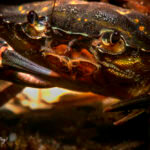
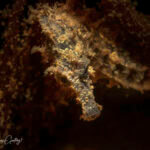
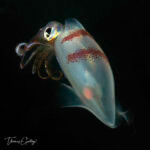
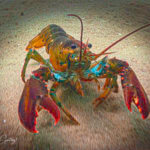
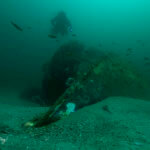
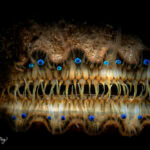
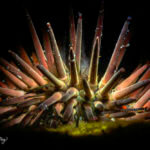
When he’s not guiding divers or teaching with the patience of someone who truly knows what it’s like to be new, you’ll find Tom behind the lens. He’s an award-winning fine art, landscape, and underwater photographer, and his work has been featured everywhere from gallery walls to conservation campaigns. His photography isn’t just pretty pictures—it’s storytelling with a deep sense of place. He captures not just what the ocean looks like, but what it feels like.
Favorite Dive Site:
Locally, Tom’s heart belongs to Old Garden Beach. From a photography standpoint, it’s a gem—rocky slopes, kelp beds, sand channels, and enough variety in marine life to make every dive different. The entry is easy, the parking isn’t bad if you time it right, and if you slow down and look closely, you’ll find things most divers swim right past.
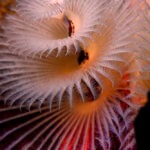
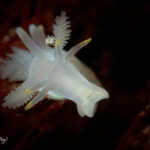
A close second? Pierce Island. Every spring it becomes a full-on nudibranch festival, with more color and life per square foot than just about anywhere else on the North Shore. It’s the kind of place where Tom can spend an entire dive in one square meter with his camera, and still feel like he didn’t see it all.
Favorite Creature:
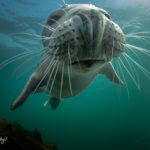
Seals. Always seals. Diving with them is like diving with your favorite dog—curious, playful, occasionally mischievous. They’re smart, social, and every interaction feels personal. For Tom, it’s less about the species and more about the experience—and a seal buzzing you mid-dive? That’s always a good day.
Favorite Certification Course:
om’s favorite course to teach is entry-level scuba—Open Water. While he’s more than capable of leading advanced divers through complex skills, it’s that very first class where he really lights up. He loves working with brand new divers: the nerves, the awkward first breaths, the tentative mask clears. He’s patient, reassuring, and never in a rush—because he knows those early moments shape everything that comes after.
For Tom, there’s something incredibly rewarding about helping a student go from “I don’t think I can do this” to “I want to do this again tomorrow.” That first breakthrough—when someone gets neutral for the first time or realizes they’re breathing underwater without thinking—is what keeps him coming back to the pool and the quarry week after week. Because in those small wins, he sees the start of a lifelong connection to the water.
Goals In The Dive Industry:
For Tom, diving is a form of meditation, a way to slow down and really see. Whether it’s guiding a student, documenting a changing reefscape, or simply floating weightless while the light shifts around him, he dives to be present. To pay attention. To engage with the ocean not as a thrill ride, but as a world worth protecting and understanding.
He teaches to share that perspective—with students, with dive buddies, with anyone who’s ready to trade noise for stillness. Because for Tom, diving has never been about going deep. It’s always been about going quiet.