Fritz McGirrEquipment Service Technician, Freediving/Scuba Instructor
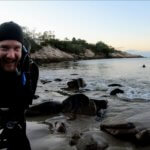
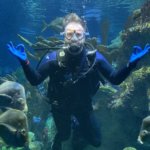
Fritz McGirr's Gallery:
Background:
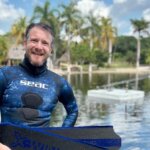
A water creature from birth, Fritz McGirr grew up exploring the Great Lakes and eventually found his way to the East Coast, joining ECD in 2020. Since then, he’s done it all—helping customers find the perfect mask, wrenching on gear, and now leading the charge as an instructor for our Advanced Snorkeling Team.
For Fritz, freediving is more than just a sport. The stillness he’s found on a single breath feels like slipping into a moving meditation—an extension of his deep connection to yoga, breathwork, and mindfulness. His favorite dive sites? Anywhere the post-dive menu includes ceviche and mezcal.
Outside of ECD, Fritz serves as head of the Dive Safety Board for the Center for Coastal Studies, where he’s on the front lines of efforts to remove derelict fishing gear from Massachusetts waters and protect the ecosystems he loves to explore.
Favorite Dive Site:
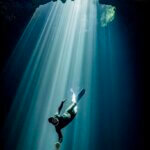
Fritz’s favorite dive site isn’t just about what’s underwater—it’s about the full experience. He’s all in on Mexico’s Yucatán coast, where crystal-clear cenotes and salty reef dives feed the soul, and the surface intervals come with fresh ceviche and smoky mezcal. It’s the kind of place where the line between diving, living, and celebrating gets deliciously blurry.
Favorite Creature:
With their hexagon-patterned armor and awkward charm, honeycomb cowfish have totally won Fritz over. Equal parts weird and wonderful, these little oddballs glide through the water like underwater UFOs, and spotting one always feels like a tiny, colorful surprise from the reef. For Fritz, they’re proof that personality in the ocean isn’t limited to the big stuff.
Favorite Certification Course:
Fritz has a soft spot for the CO₂ sessions in freedive training—not because they’re easy, but because they’re not. Watching students dig deep, push through discomfort, and come out the other side with a better understanding of their breath and their body is one of the most rewarding parts of teaching for him. It’s not just about holding your breath—it’s about learning what you're really capable of when things get uncomfortable.
Goals In The Dive Industry:
For Fritz, the real magic of freediving isn’t found in depth or numbers—it’s in the mental breakthroughs. He lives for the moment when a student stares down their fear, pushes past doubt, and surfaces with a huge smile and a new personal best. That quiet “oh… that actually wasn’t so bad” realization? That’s the good stuff. It’s why he teaches, why he trains, and why he believes freediving can shift how people see themselves—both underwater and on land.